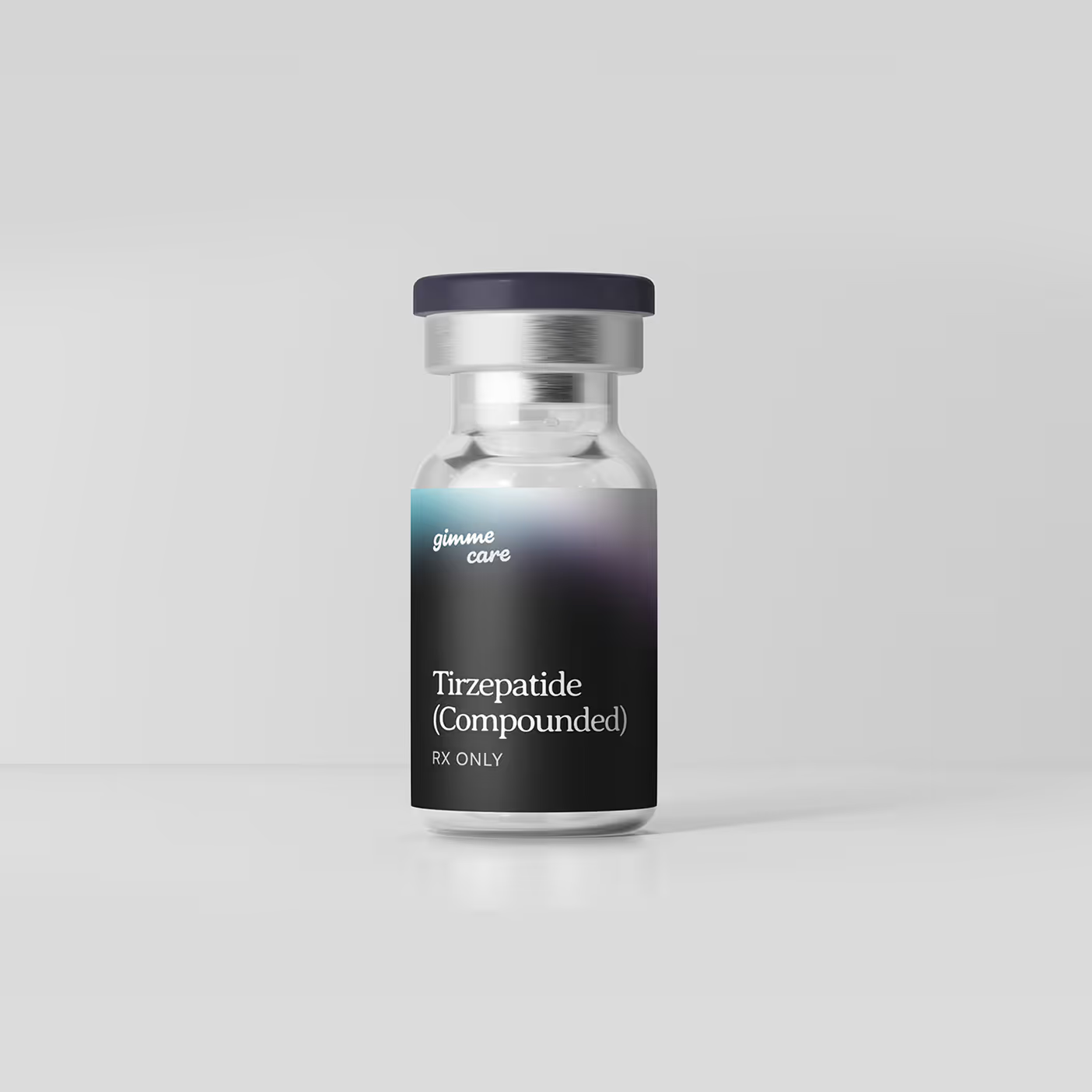

- There is no single universal price for tirzepatide. Monthly costs can vary widely depending on insurance, program structure, and fulfillment.
- What someone pays out-of-pocket is often very different from the listed or advertised price.
- Without insurance, monthly costs are typically higher and may include additional care-related fees.
- Physician-guided weight loss programs may bundle evaluation, follow-up care, and medication-related support into one monthly structure.
- All treatment decisions require evaluation by a licensed healthcare provider.
Last reviewed: March 2026
Pricing information can change. Always verify current costs before making a treatment decision.
What does tirzepatide cost?
Tirzepatide cost may range from several hundred dollars per month to more than $1,000, depending on insurance coverage, program structure, and how treatment is obtained.
There is no single fixed price because what someone pays can vary based on factors like insurance status, eligibility for savings pathways, and whether care is delivered through a clinician-guided program.
In most cases, it’s more accurate to think of tirzepatide cost as a range shaped by multiple variables, rather than one standard monthly number, with pricing snapshots from tools like GoodRx’s tirzepatide pricing page showing how costs can vary across pharmacies and coverage scenarios. Patients comparing options should review what is included in the monthly price, whether follow-up care is bundled, and how insurance or self-pay rules affect total out-of-pocket cost.
Why there is no single tirzepatide price
Several factors influence what someone may actually pay:
- Insurance status – coverage can significantly reduce or shift costs
- Program structure – some programs bundle care, others separate fees
- Pharmacy fulfillment – pricing can differ depending on how prescriptions are processed
- Dose changes over time – adjustments may impact monthly totals
- Savings or self-pay options – eligibility varies between individuals
Tirzepatide cost without insurance
Without insurance, monthly tirzepatide costs may range from several hundred dollars to more than $1,000, depending on how care is structured and delivered.
In cash-pay scenarios, it’s important to understand that the total cost often includes more than just the medication itself.
What may be included in a cash-pay total
Depending on the provider or program, a monthly total may include:
- Medical evaluation before starting treatment
- Follow-up care and ongoing monitoring
- Prescription fulfillment and pharmacy coordination
- Shipping or service-related fees, when applicable
This is why two different “cash prices” can look very different.
Some reflect medication-only pricing, while others include broader care and support.
Tirzepatide cost with insurance
Insurance may cover tirzepatide in some cases, but coverage varies widely depending on the health plan, eligibility criteria, and prior authorization requirements.
Even when covered, out-of-pocket costs can still differ significantly between individuals. Insurance education resources on how out-of-pocket costs work under health plans explain how deductibles, copays, and plan design can influence what patients ultimately pay.
Why insurance coverage varies
Several factors influence whether and how much insurance may cover:
- Formulary status – whether the medication is included in the plan
- Prior authorization requirements – additional approval steps may apply
- Deductibles – patients may need to meet a threshold before coverage begins
- Copays or coinsurance – ongoing costs may still apply
- Employer or plan exclusions – some plans do not include certain treatments
Because of this, the only way to know exact coverage is to verify directly with the insurance provider or prescribing program.
List price vs out-of-pocket cost
Understanding pricing starts with knowing the difference between two commonly used terms:
List price
The list price is the published price before insurance, savings programs, or negotiated pharmacy benefits are applied.
Out-of-pocket cost
Out-of-pocket cost is what a patient may actually pay after insurance, copays, deductibles, or program-related fees are factored in.
These numbers are often very different, which is why users may see multiple price points when researching online. For readers comparing treatment pathways, FDA guidance on human drug compounding can also provide useful background on how compounded medications are regulated
What affects tirzepatide pricing the most?
Several key factors tend to have the biggest impact on total cost:
- Insurance coverage and eligibility
- Access to savings or self-pay pathways
- Provider visit structure (one-time vs ongoing care)
- Medication fulfillment method
- Frequency of follow-up care and monitoring
Rather than focusing on a single number, it’s more useful to understand how these variables shape the total monthly cost.
How physician-guided weight loss programs structure pricing
In many cases, tirzepatide is not accessed as a standalone product, but as part of a physician-guided weight loss program.
Programs can structure pricing in different ways:
- Bundled pricing – one monthly fee that may include evaluation, follow-ups, and medication-related care
- Unbundled pricing – separate charges for visits, prescriptions, and ongoing support
The key difference is that medication is one part of a broader care model, rather than the only component.
Questions to ask before starting a program
Before beginning treatment, it can help to ask:
- What does the monthly fee include?
- Is the medical evaluation included?
- How are refills and follow-ups handled?
- Are labs, shipping, or support billed separately?
- How often can pricing change over time?
How to compare tirzepatide programs safely
When comparing different options, it’s important to look beyond price alone.
Consider:
- Whether care is medically supervised by a licensed healthcare provider
- How transparent the pricing structure is
- What level of ongoing support and monitoring is included
- Whether treatment is based on an individual evaluation
Treatment is not one-size-fits-all, and a licensed provider determines whether tirzepatide is appropriate based on a patient’s specific health profile.
Comparison: Common tirzepatide pricing scenarios
Is tirzepatide worth the cost?
Whether tirzepatide is “worth it” depends on your health goals, financial considerations, and access to medically supervised care.
For many patients, the decision is less about a single price point and more about:
- Understanding total monthly cost
- Access to consistent clinical oversight
- The structure of care and follow-up support
A licensed healthcare provider can help determine whether treatment is appropriate and how it fits into a broader health plan.
Start your weight loss journey today