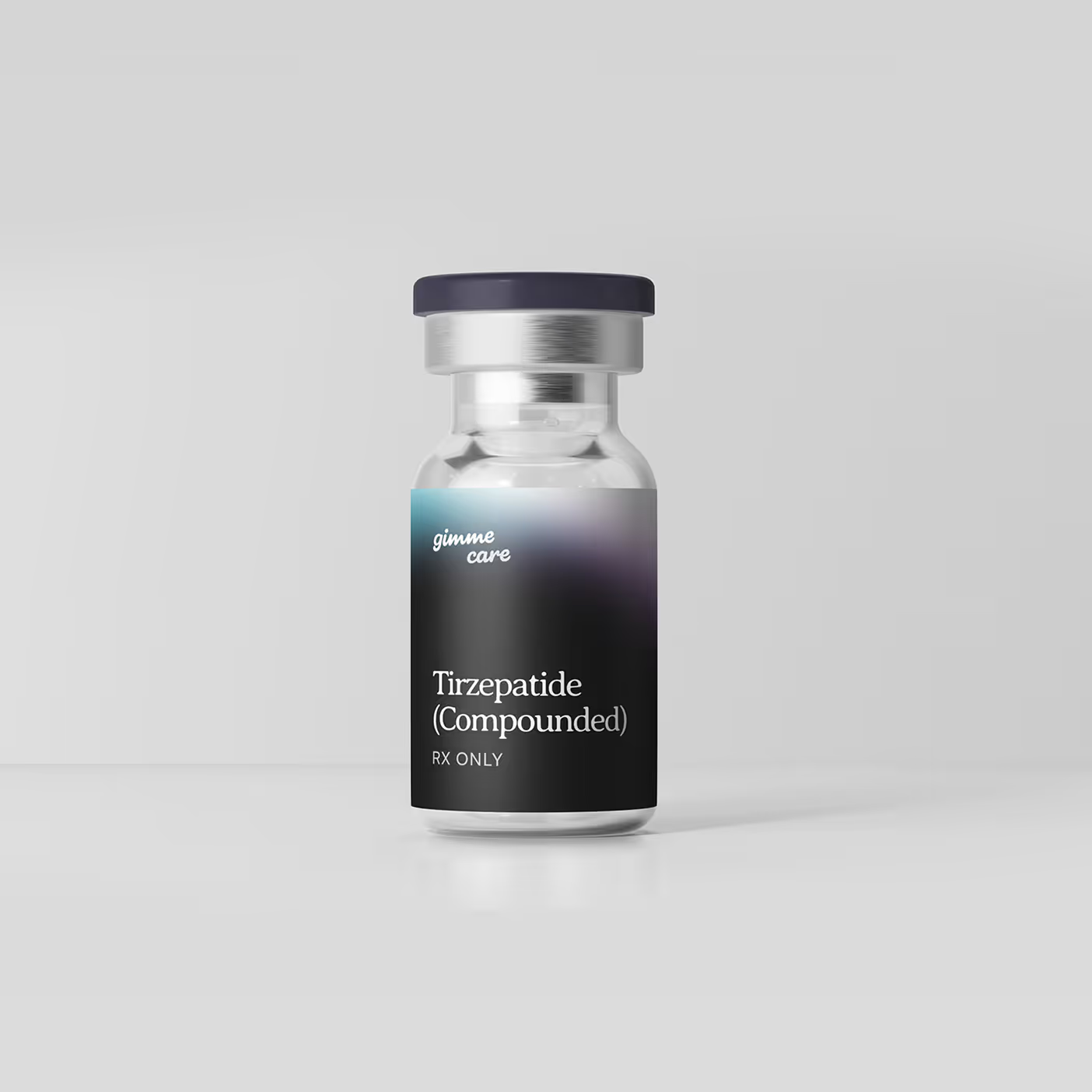

- Semaglutide and tirzepatide are both weekly injectable medications that affect appetite and metabolism, but they work through slightly different biological pathways.
- Tirzepatide targets two hormone receptors (GIP and GLP-1), while semaglutide targets GLP-1 alone.
- Both medications are used in medical settings to support weight management, with outcomes varying based on individual factors and clinical guidance.
- The most appropriate option depends on factors like tolerability, medical history, goals, and a licensed physician’s evaluation.
Semaglutide and tirzepatide are both medications that influence appetite, metabolism, and blood sugar regulation, but they differ in how they work in the body. Semaglutide acts on GLP-1 receptors, while tirzepatide activates both GLP-1 and GIP receptors, which may lead to differences in how patients respond to treatment. The most appropriate option depends on individual goals, tolerability, and clinical guidance.
Semaglutide vs tirzepatide at a glance
Semaglutide and tirzepatide are both used in medical settings to support metabolic health and weight management, typically as once-weekly injections. While they share similar goals, their mechanisms and clinical outcomes differ in ways that may influence treatment decisions.
In practice, the choice between them is not one-size-fits-all and should be based on individual response, side effect profile, and discussion with a licensed physician.
Comparison overview
What is semaglutide?
Semaglutide is a medication that belongs to a class known as GLP-1 receptor agonists. It works by mimicking a naturally occurring hormone involved in appetite regulation and blood sugar control.
By activating GLP-1 receptors, semaglutide can:
- help regulate appetite signals
- slow gastric emptying
- influence insulin and glucose balance
These effects may contribute to reduced food intake and changes in body weight over time, depending on the individual and how the treatment is used under medical supervision.
If you’re exploring treatment options, you can learn more about compounded semaglutide here.
What is tirzepatide?
Tirzepatide is a newer type of medication that acts on two hormone pathways: GLP-1 and GIP. This dual activity is sometimes referred to as a “dual agonist” approach.
By targeting both pathways, tirzepatide may:
- influence appetite regulation
- affect how the body processes nutrients
- support metabolic signaling in a broader way
Like semaglutide, it is typically administered as a once-weekly injection and is used under the guidance of a licensed physician.
You can learn more about compounded tirzepatide here.
How do semaglutide and tirzepatide work?
GLP-1 vs dual GIP/GLP-1 activity
Semaglutide works by activating GLP-1 receptors, which play a role in:
- appetite signaling
- insulin secretion
- slowing digestion
Tirzepatide activates both:
- GLP-1 receptors (same pathway as semaglutide)
- GIP receptors, which are also involved in metabolic regulation
Why this difference matters
Because tirzepatide acts on two pathways instead of one, it may influence appetite and metabolism differently in some individuals. However, this does not automatically mean one approach is better than the other.
Response to these medications can vary widely, and factors such as tolerability, dosing, and adherence often play a major role in outcomes.
Key differences between semaglutide and tirzepatide
Mechanism
- Semaglutide: GLP-1 only
- Tirzepatide: GLP-1 + GIP
How weight-related outcomes are studied
Weight-related outcomes can vary depending on factors such as dose, duration of treatment, and individual response.
Dosing and administration
Both are typically administered as once-weekly injections, while dosing is usually increased gradually over time to improve tolerability
Side effects and tolerability
Common side effects for both include:
- nausea
- vomiting
- diarrhea
- constipation
These effects are often most noticeable during dose escalation and may improve over time.
Safety considerations
Safety depends on personal medical history, concurrent conditions, and medication interactions. Patients are typically advised to review these factors with a licensed physician before starting or switching treatments.
Cost and access
Access and pricing can vary depending on:
- provider model
- formulation
- availability
This can sometimes influence which option a patient discusses with their provider.
How weight-related outcomes can vary
Both semaglutide and tirzepatide are used within physician-guided weight loss programs where treatment plans are individualized.
Outcomes can vary based on factors such as:
- dosage and treatment progression
- consistency with the program
- nutrition and lifestyle factors
- individual response to treatment
Rather than focusing on average outcomes, it is often more useful to consider how a specific treatment approach fits an individual’s needs and goals under medical supervision.
Side effects and safety considerations
Semaglutide and tirzepatide have similar safety considerations and are generally used under medical supervision. Safety depends on individual health factors, side effect tolerance, and medical history rather than one option being universally safer than the other.
Common gastrointestinal effects
Both medications are associated with gastrointestinal side effects, especially early in treatment are nausea, reduced appetite, and digestive discomfort.
These effects are often dose-dependent and may improve as the body adjusts.
Tolerability differences
Some individuals may tolerate one medication better than the other. This can depend on dose progression, sensitivity to GI effects, and the patient's overall health profile.
When to discuss risks with a physician
Patients should speak with a licensed physician if they have underlying medical conditions, are taking other medications, or experience persistent or severe side effects.
Clinical guidance is important for adjusting dosage, managing symptoms, or deciding whether to continue treatment.
Which discussion may fit which goal?
If the main goal is weight loss
Both medications are used in physician-guided programs to support weight management, with individual response varying
If tolerability is the priority
Some patients may prioritize how they feel on medication rather than average outcomes. In these cases, tolerability and side-effect profiles often guide the discussion.
If cost or access matters
Availability and pricing can influence treatment decisions. Some patients may explore one option over the other depending on what is accessible to them.
If considering switching between semaglutide and tirzepatide
Switching between medications is a decision that should be made with a licensed physician, taking into account current response, side effects, and treatment goals.
Questions to ask a licensed physician
- How do semaglutide and tirzepatide compare for my specific goals?
- What side effects should I expect, and how can they be managed?
- How long should I try a medication before evaluating results?
- What factors would lead to adjusting or switching treatment?
- How do dosing and monitoring work over time?
Bottom line
Semaglutide and tirzepatide are both evidence-based options that influence appetite and metabolic function, but they differ in how they work and how individuals may respond to them.
There is no single “better” option for everyone. The most appropriate choice depends on personal goals, tolerability, access, and guidance from a licensed physician.
If you’re exploring treatment options, you can start with a quick online assessment here to understand what may be appropriate for your situation.
Start your weight loss journey today