
- Most people notice subtle appetite changes within the first few days of semaglutide, though significant weight loss typically takes longer.
- Mild nausea, bloating, and fatigue are common during week one and usually improves as your body adjusts.
- The starting dose is intentionally low to minimize side effects, so don't expect dramatic results right away.
- Semaglutide is prescribed as part of a clinician-guided program where a licensed provider evaluates your health before determining if treatment is appropriate.
You might not notice a sudden shift in appetite or see the scale drop overnight during your first week of Semaglutite.
This guide covers what actually happens in your body during that first week, what side effects are normal, and how to set yourself up for the best possible start.
What Is Semaglutide?
Semaglutide is a GLP-1 receptor agonist, a type of injectable medication originally developed for type 2 diabetes that is now also prescribed for weight management.
It works by mimicking a natural hormone called glucagon-like peptide-1 (GLP-1), which plays a central role in appetite regulation, blood sugar control, and digestion.
How GLP-1 Medications Work
GLP-1 is a hormone your gut produces after eating. It signals your brain to register fullness, slows the rate at which food leaves your stomach, and helps regulate blood sugar levels.
Because the medication is administered as a weekly injection and has a long half-life, its effects build gradually rather than spiking and fading each day.
Why Providers Prescribe Them for Weight Management
Providers typically prescribe Semaglutide when lifestyle changes alone, such as diet and exercise, haven't produced enough weight loss, and when excess weight is creating health risks.
Research published in the New England Journal of Medicine (the STEP 1 trial) found that Semaglutide 2.4 mg led to an average of approximately 15% body weight reduction over 68 weeks. But those results come at higher doses and over many months.
What Happens After Your First Injection?
After your first Semaglutide injection, the medication slowly absorbs from the fatty tissue under your skin into your bloodstream over several hours.
It then begins activating GLP-1 receptors in key areas of your body, including the brain, gut, and pancreas. Because the starting dose is low, these effects are mild at first. Semaglutide levels rise gradually, reaching peak concentration about 1 to 3 days after your injection.
What your body is doing:
- Absorbing the medication from the injection site.
- Activating GLP-1 receptors in the hypothalamus (the brain's appetite center).
- Beginning to slow gastric emptying.
- Adjusting insulin and glucagon signaling in response to meals.
You may feel slightly less hungry than usual by day 2 or 3. Or you may not notice anything at all. Both responses are normal.
Day-by-Day Timeline: The First Week on Semaglutide
A few things to keep in mind about this timeline:
- Individual responses vary significantly. Some patients feel appetite changes by day 2, while others don't notice much until week 2 or 3.
- The starting dose (typically 0.25 mg for branded Semaglutide) is designed for tolerability, not maximum Semaglutide appetite suppression.
- This timeline reflects general trends reported, not guaranteed milestones.
-
Appetite Changes During the First Week
Many users report reduced hunger as their body adjusts to treatment. But during week one, the changes tend to be subtle.
You might notice that you feel satisfied sooner during a meal. A portion that used to feel normal might now feel too much. Some users describe a quieting of food noise, that constant background hum of thinking about the next meal or snack.
GLP-1 medications reduce appetite by acting on brain circuits that control hunger and reward-related eating. This means you may notice fewer cravings for high-calorie or high-sugar foods, even in the first week.
Common first-week appetite patterns include:
- Feeling full faster than expected during meals.
- Less interest in snacking between meals.
- Reduced desire for sweets or calorie-dense comfort foods.
- Occasional lack of appetite (especially days 2 through 4).
Possible Side Effects During Week One
Mild gastrointestinal symptoms are the most common side effects during the first week on Semaglutide. These are generally a sign that your body is adjusting to slower gastric emptying and changes in digestive signaling.
Nausea
Nausea affects a high percentage of patients on GLP-1 receptor agonists, particularly during the early weeks and after dose increases. It's usually mild and tends to improve over time.
Bloating and Fullness
Because Semaglutide slows the movement of food through your stomach, you may feel bloated or uncomfortably full after eating portions that previously felt normal.
Fatigue
Some patients report feeling more tired than usual during the first few days. This may relate to changes in blood sugar regulation or simply the body's adjustment period.
Other Possible Symptoms
Less common but still reported during week one: constipation, diarrhea, mild headaches, and dizziness.
First Week Side Effects Guide
If any side effect feels severe or doesn't improve after a few days, reach out to your provider. Patients in a clinician-guided weight loss program typically have direct access to their prescribing physician for questions like these.
How Much Weight Can You Lose in the First Week?
Average weight loss during the first week on Semaglutide is modest, some users report losing 1 to 3 lbs. It’s important to note that some of this may be water weight rather than fat loss.
Clinical trials of Semaglutide measured weight loss outcomes over 68 weeks, not 7 days. The meaningful, sustained weight loss that Semaglutide is known for happens gradually, usually becoming more apparent after 8 to 12 weeks as the dose increases.
What matters more during week one:
- Whether you're tolerating the medication well.
- Whether you're beginning to notice any appetite changes.
- Whether you're building the habits (hydration, balanced eating, tracking) that support long-term success.
Resist the urge to weigh yourself daily during week one. The number will fluctuate, and it won't tell you much about how the medication is working yet.
What to Eat Your First Week on Semaglutide
Eat small, balanced meals with plenty of protein, fiber, and fluids to support digestion and minimize side effects.
Prioritize Protein
Protein helps preserve muscle mass during weight loss and keeps you feeling satisfied longer. Aim for a source of lean protein at every meal: chicken, fish, eggs, Greek yogurt, tofu, or legumes.
Include Fiber (But Increase Gradually)
Fiber supports digestion and helps with fullness, but adding too much too fast can worsen bloating. Increase fiber-rich foods (vegetables, whole grains, fruits) gradually over the first week.
Stay Hydrated
Dehydration can worsen nausea and fatigue. Aim for at least 64 ounces of water daily. Sipping water throughout the day is better than drinking large amounts at once.
Eat Smaller, More Frequent Meals
As your stomach is emptying more slowly. Large meals are more likely to cause nausea and discomfort. Try eating 4 to 5 smaller meals throughout the day instead of 3 large ones.
Foods to Limit During Week One
- Fried, greasy, or very rich foods (these can worsen nausea).
- Large portions of red meat or heavy dairy.
- Sugary snacks and processed foods.
- Carbonated beverages (may increase bloating).
Tips for a Smooth First Week
During your first week on Semaglutide you should focus on consistency, hydration, and simple habits to help your body adjust comfortably.
The goal is to build a routine rather than chase immediate results. Small, practical habits can make a big difference in how you feel as your body adapts.
First Week Success Checklist:
- Stay hydrated. Keep water with you throughout the day.
- Eat slowly. Give your brain time to register fullness signals.
- Prioritize protein and fiber at every meal.
- Track your appetite changes. A simple journal or app helps you notice patterns.
- Maintain a consistent injection schedule. Pick the same day each week.
- Avoid alcohol, which can worsen nausea and dehydration.
- Plan your meals in advance so you have easy, balanced options available.
- Rest when you need to. Fatigue is normal and temporary.
If nausea is an issue, eating bland, room-temperature foods (crackers, toast, plain rice) can help. Some providers also prescribe ondansetron (an anti-nausea medication) to help patients through the adjustment period. Your provider may prescribe ondansetron as a Semaglutide treatment option for patients who need it.
Factors That Affect First Week Results
Your first-week results can vary based on metabolism, starting weight, lifestyle, hydration, and dosage.
During your first week on Semaglutide, it’s normal for experiences to differ as your body adjusts to the medication. Several key factors influence how quickly you notice changes and how you feel.
Key factors include:
- Metabolism: Baseline metabolic rate varies widely. People with faster metabolisms may process the medication differently than those with slower ones.
- Starting weight and BMI: Patients with higher starting weights sometimes notice more rapid initial changes.
- Diet and activity level: What you eat and how active you are during week one affects how you feel and what the scale shows.
- Hydration: Adequate water intake helps with medication tolerance, digestion, and accurate weight readings.
- Dosage: The starting Semaglutide dosage is intentionally low. If you're beginning at 0.25 mg, the appetite suppression effect will be mild compared to higher therapeutic doses.
- Individual biology: Genetics, gut microbiome composition, and hormonal baseline all play a role in how your body responds to GLP-1 receptor agonists.
When to Contact a Healthcare Provider
Contact your healthcare provider if you experience persistent, severe, or unusual side effects during the first week.
Most side effects in the first week on Semaglutide are mild and manageable, like nausea, mild fatigue, or bloating. However, certain symptoms may indicate a more serious problem and require medical attention.
Contact your healthcare provider if you experience:
- Persistent vomiting that prevents you from keeping food or water down.
- Severe abdominal pain, especially if it radiates to your back.
- Signs of an allergic reaction: rash, swelling, difficulty breathing.
- Extreme dizziness or fainting.
- Symptoms of low blood sugar (shakiness, confusion, sweating), particularly if you take other diabetes medications.
- Any side effect that feels severe or doesn't improve within 48 to 72 hours.
Semaglutide Treatment in a Clinician-Guided Program
Semaglutide is a prescription medication. It's not something you should take without medical oversight.
In a clinician-guided weight loss program, a licensed provider evaluates your medical history, current health conditions, and weight loss goals before determining whether Semaglutide is appropriate for you. This evaluation matters because GLP-1 medications aren't right for everyone, and dosing needs to be tailored and monitored over time.
Ongoing provider access is also important during the first weeks of treatment. Having the ability to message your prescribing physician about side effects, appetite changes, or dosing questions helps you adjust more confidently.
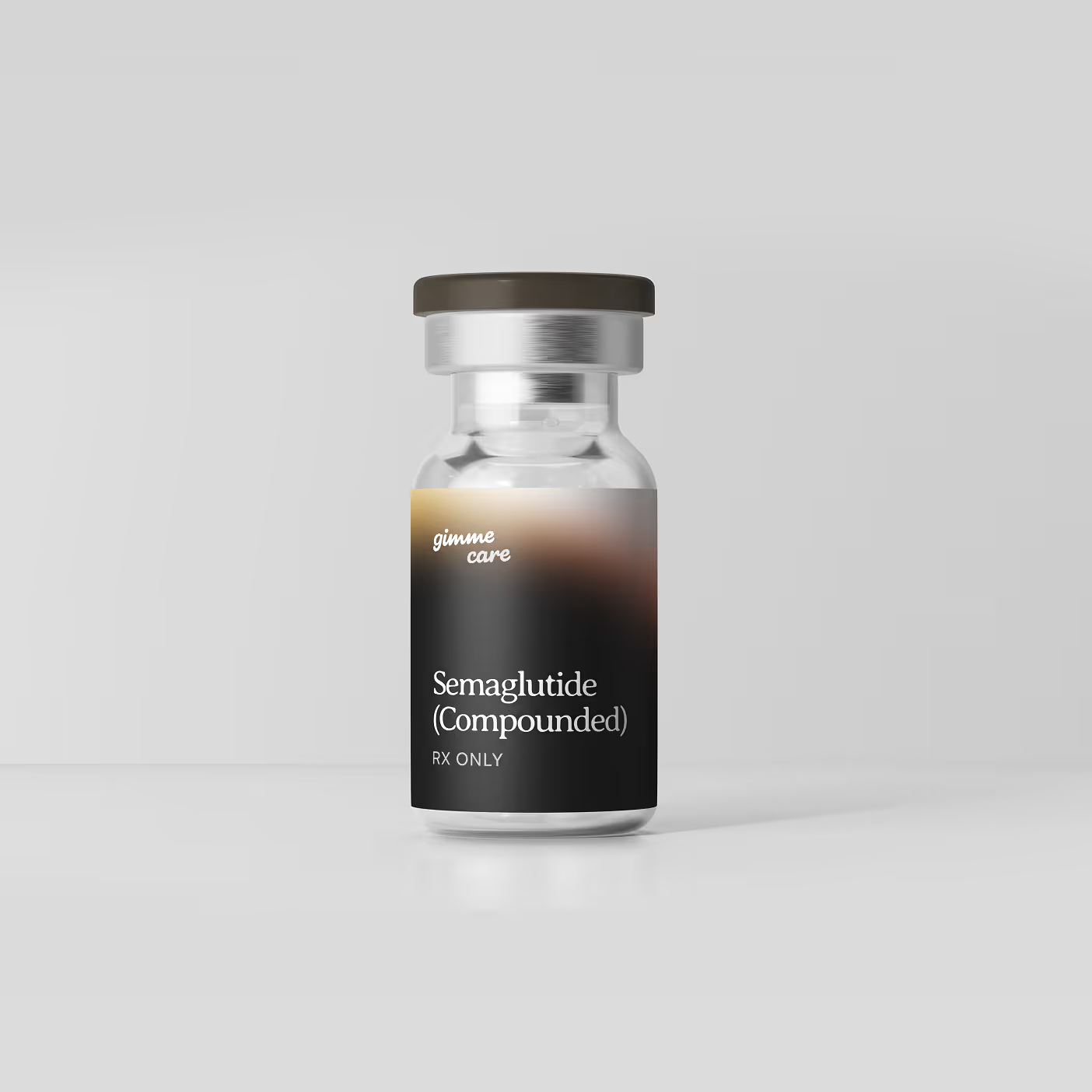
Gimme Care offers a medical weight loss consultation with licensed US physicians who evaluate patients individually and provide ongoing support throughout treatment. Compounded Semaglutide is available in all 50 states, with free shipping and no insurance required. Prescriptions are provided only when deemed medically appropriate by a licensed provider.
Start your weight loss journey today