
- Side effects are most common during the first few weeks of treatment or after dose adjustments.
- Many symptoms improve as the body adapts over time.
- Digestive symptoms such as nausea or bloating are among the most frequently reported.
- Healthcare providers can help patients manage symptoms through dose adjustments and lifestyle guidance.
- Ongoing medical supervision is an important part of safe treatment.
What is semaglutide
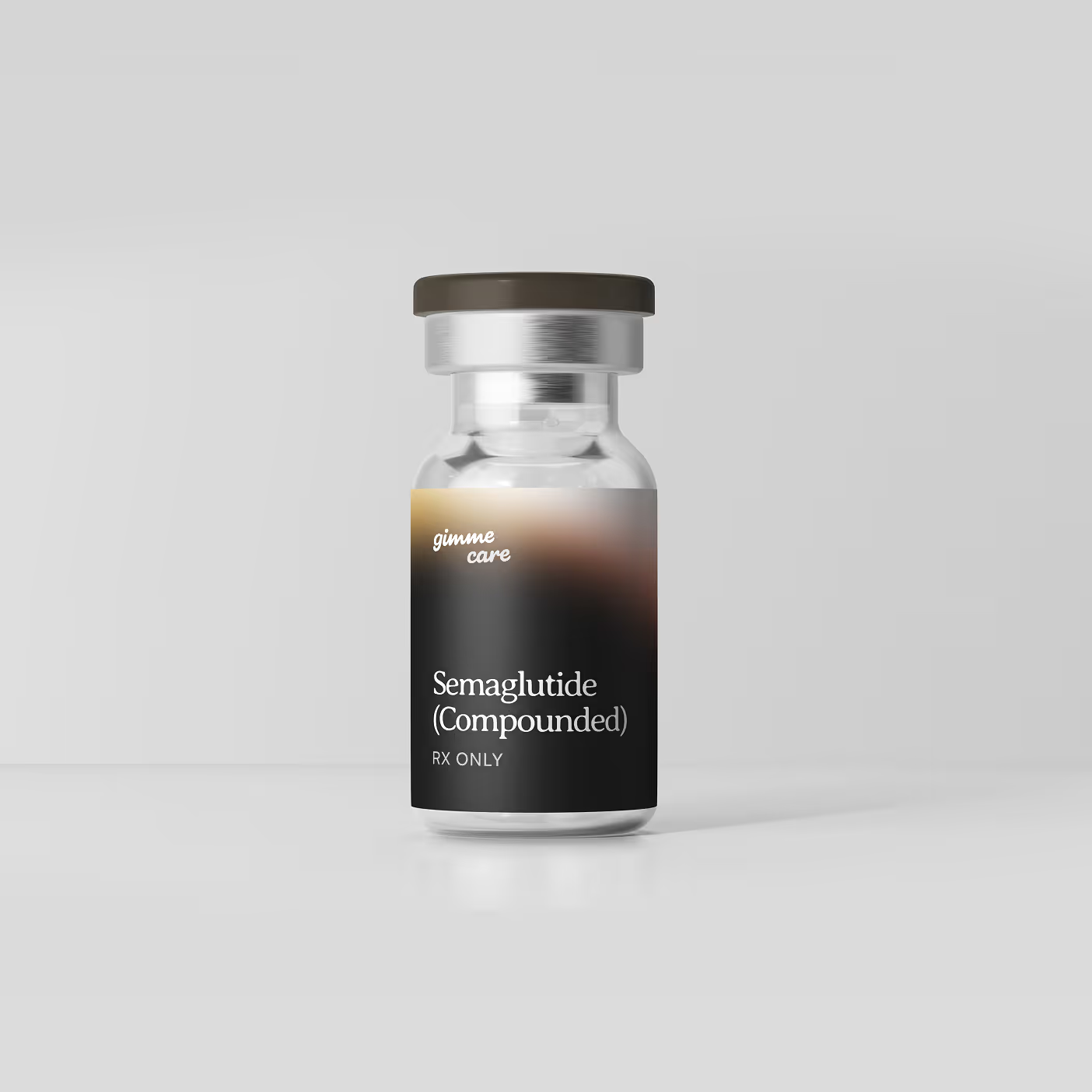
Semaglutide is a medication in the GLP‑1 receptor agonist class that helps regulate appetite and metabolic processes as part of medically supervised treatment.
Starting any new medication can raise questions about what to expect during the first few weeks of treatment. One of the most common concerns people have before beginning semaglutide is how long potential side effects may last.
Understanding the typical timeline can help patients feel more prepared and know when it may be helpful to speak with a healthcare provider.
For many individuals, side effects are most noticeable during the early stages of treatment or after a dose adjustment. These symptoms often improve as the body adjusts over time. You can find more information about our semaglutide program here
What Are the Most Common Semaglutide Side Effects?
The most commonly reported side effects are related to digestion and appetite changes.
Nausea
Nausea is one of the most frequently reported symptoms when beginning treatment. It often appears early and may lessen as the body adjusts.
Vomiting
Some individuals may experience occasional vomiting, particularly during the first few weeks or after a dose increase.
Diarrhea
Digestive changes such as diarrhea may occur temporarily while the body adapts to treatment.
Constipation
Constipation can occur in some patients and may improve with hydration and dietary adjustments.
Abdominal discomfort
Some individuals report mild stomach discomfort or bloating early in treatment.
Headache
Headaches can occur during the adjustment period and are sometimes related to hydration levels or changes in eating patterns.
Fatigue
A small number of patients report feeling more tired during the early weeks of treatment.
Indigestion or heartburn
Changes in digestion may lead to occasional indigestion or reflux symptoms.
Dizziness
Some individuals experience mild dizziness during the initial treatment phase.
Gas or bloating
Digestive changes may cause temporary bloating or increased gas in some people.
These symptoms vary from person to person. Some individuals experience only mild symptoms, while others may notice none at all.
Belching
Some individuals report increased belching during the early stages of treatment. This can occur alongside other digestive adjustments and often improves as the body adapts.
Flatulence
Gas or flatulence may occur as digestion changes during the initial treatment period. These symptoms are typically temporary.
Hypoglycemia (in people with type 2 diabetes)
Low blood sugar can occur in individuals with type 2 diabetes, particularly if semaglutide is used alongside other medications that lower blood glucose. A healthcare provider can help monitor and manage this risk.
Heartburn (Gastroesophageal Reflux Disease)
Some patients report symptoms of heartburn or acid reflux while adjusting to treatment. Dietary changes and medical guidance may help reduce these symptoms.
How Long Do Semaglutide Side Effects Last?
For many patients, side effects are most noticeable during the first few weeks of treatment or after a dose increase, with symptoms improving as the body adapts.
A Week-by-Week Timeline of Semaglutide Side Effects
While individual experiences vary, many patients notice a general pattern during treatment.
Week 1–2
During the initial adjustment period, some individuals may notice mild symptoms such as nausea, appetite changes, or digestive discomfort.
Week 3–4
By this stage, many people find that their body has begun adapting to treatment. Symptoms may become less noticeable.
Week 5–8
For many patients, side effects stabilize as the body continues adjusting.
After Dose Increases
When a healthcare provider increases the dose, temporary symptoms may return. These typically improve again as the body adapts to the new dose.
Why Semaglutide Side Effects Can Occur
GLP-1 receptor agonist medication such as semaglutide interact with pathways in the body that help regulate appetite and digestion.
Because these pathways influence how the body processes food and feelings of fullness, some individuals may notice digestive changes when beginning treatment.
Several biological factors are believed to contribute to these symptoms:
GLP-1 receptor activity
GLP-1 receptor agonists have been shown to influence appetite signaling and gastric emptying through well-studied metabolic pathways. As these signals change during treatment, some individuals may notice temporary digestive symptoms.
Changes in digestion
GLP-1 medications can influence how the digestive system processes food. As the body adapts to these changes, symptoms such as nausea, bloating, or stomach discomfort may occur.
Appetite regulation signals
These medications also interact with pathways involved in hunger and fullness. Adjustments in appetite signals can sometimes contribute to feelings of nausea or changes in eating patterns during the early stages of treatment.
How Physicians Help Patients Manage Side Effects
When semaglutide is used as part of a medically supervised program, healthcare providers monitor how patients respond to treatment and can help manage symptoms if they occur.
Common strategies that providers may recommend include:
- Staying well hydrated
- Avoiding very heavy or high-fat foods
- Smaller meals
- Gradually increasing dosage when appropriate
- Monitoring symptoms over time
Medical guidance can help ensure treatment progresses in a way that is comfortable and appropriate for each patient.
Rare but Serious Side Effects
While most side effects are mild and temporary, more serious symptoms are possible and should be evaluated by a healthcare professional.
Seek medical care if symptoms include:
- severe or persistent vomiting
- significant abdominal pain
- signs of dehydration
- symptoms that worsen instead of improving
A licensed healthcare provider can determine whether treatment adjustments are necessary.
Symptom Management Guide
When to Contact a Healthcare Provider
Patients should speak with their healthcare provider if side effects:
- Introduce severe vomiting
- Show persistent abdominal pain
- Become difficult to manage or persist longer than usual
- Show dehydration symptoms
Regular communication with a medical provider helps ensure treatment remains safe and appropriate.
How a Physician-Guided Weight Loss Program Supports Treatment
Typically, the process begins with a medical evaluation where a licensed physician reviews a patient’s medical history and treatment goals.
Providers may then:
- Monitor symptoms throughout treatment
- Adjust medication dosing when appropriate
- Provide guidance on managing side effects
- Support long-term treatment plans
This ongoing oversight helps ensure that treatment decisions are individualized and appropriate for each patient.
Start Your Physician-Guided Program with Gimme
At Gimme, eligible patients can access medically supervised treatment plans designed to support long-term weight management.
Your journey begins with a brief online intake where a licensed physician reviews your medical history and goals. If appropriate, they may recommend a treatment plan that includes prescription medication.
Medication is shipped directly to your door, and your provider can monitor your progress and adjust treatment when needed.
Your price remains the same regardless of dose, with ongoing medical guidance included throughout the program.
Start your weight loss journey today